SWEAT REDUCTION

Stay fresh – even in heat, stress, or exercise

Sweating is a natural function of our body to regulate temperature. However, it can lead to unpleasant moisture and odor, especially in the armpits.

A deodorant — whether spray, roll-on, or stick — helps prevent body odor. Underarm sweat is actually odorless at first. It is only when the bacteria naturally present in the armpits metabolize certain ingredients that the unpleasant odor develops.

Deodorants work by combating these bacteria on the one hand and covering up the odor with a pleasant fragrance on the other.

An antiperspirant, on the other hand, is a product that helps reduce sweat under the armpits. It works by temporarily constricting the sweat glands so that less sweat reaches the skin's surface, keeping the skin drier. At the same time, the antiperspirant ingredient also inhibits bacteria, which additionally delays the development of odor. 

TEXTILE STAINS

Antiperspirants usually contain aluminum salts, which ensure that the sweat glands release less fluid. However, these salts react with components of sweat and detergent residues in clothing. This forms poorly soluble compounds that become embedded in the fibers. When the garment is washed, the heat and detergent can further fix these residues in place, making the stains increasingly stubborn over time.

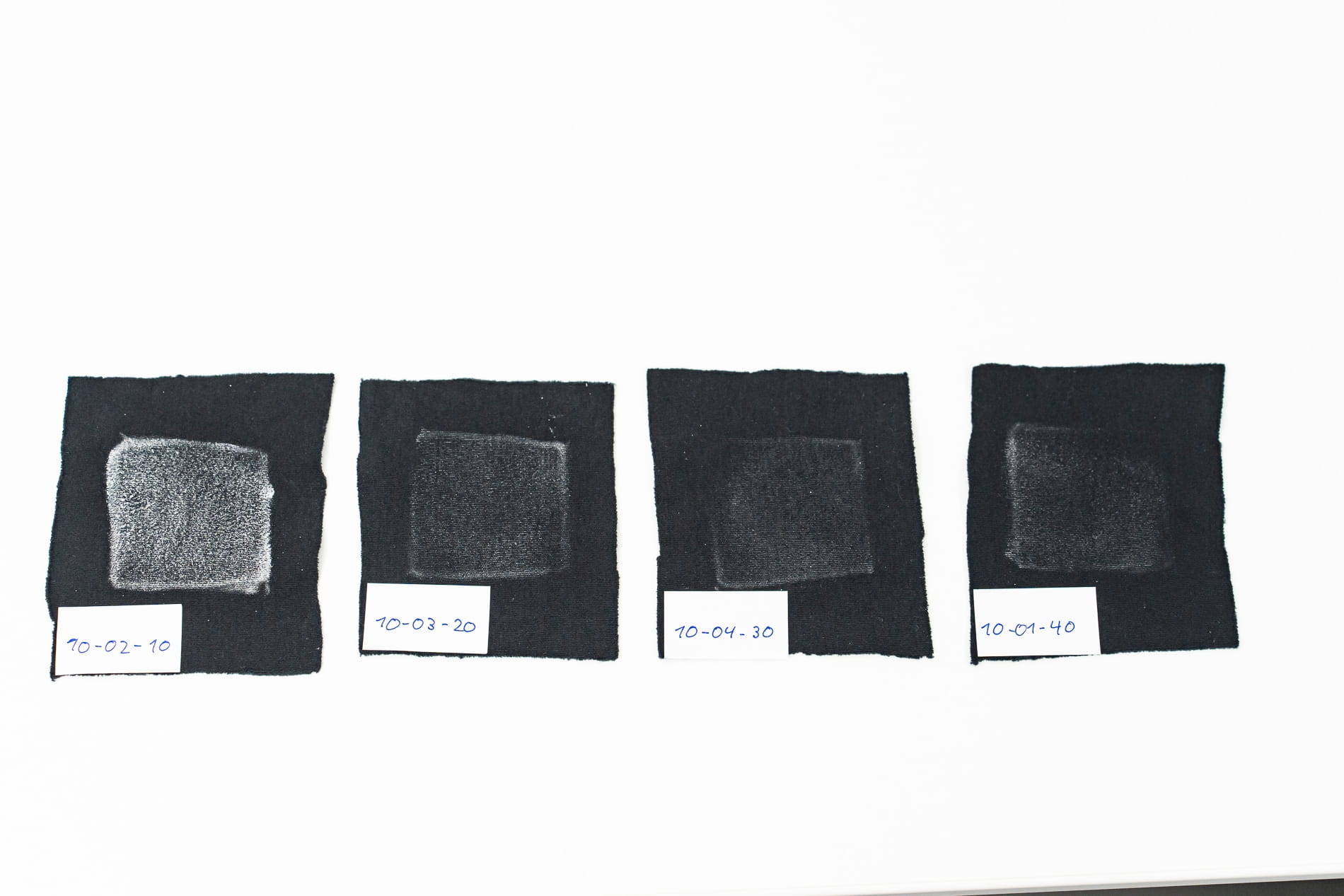
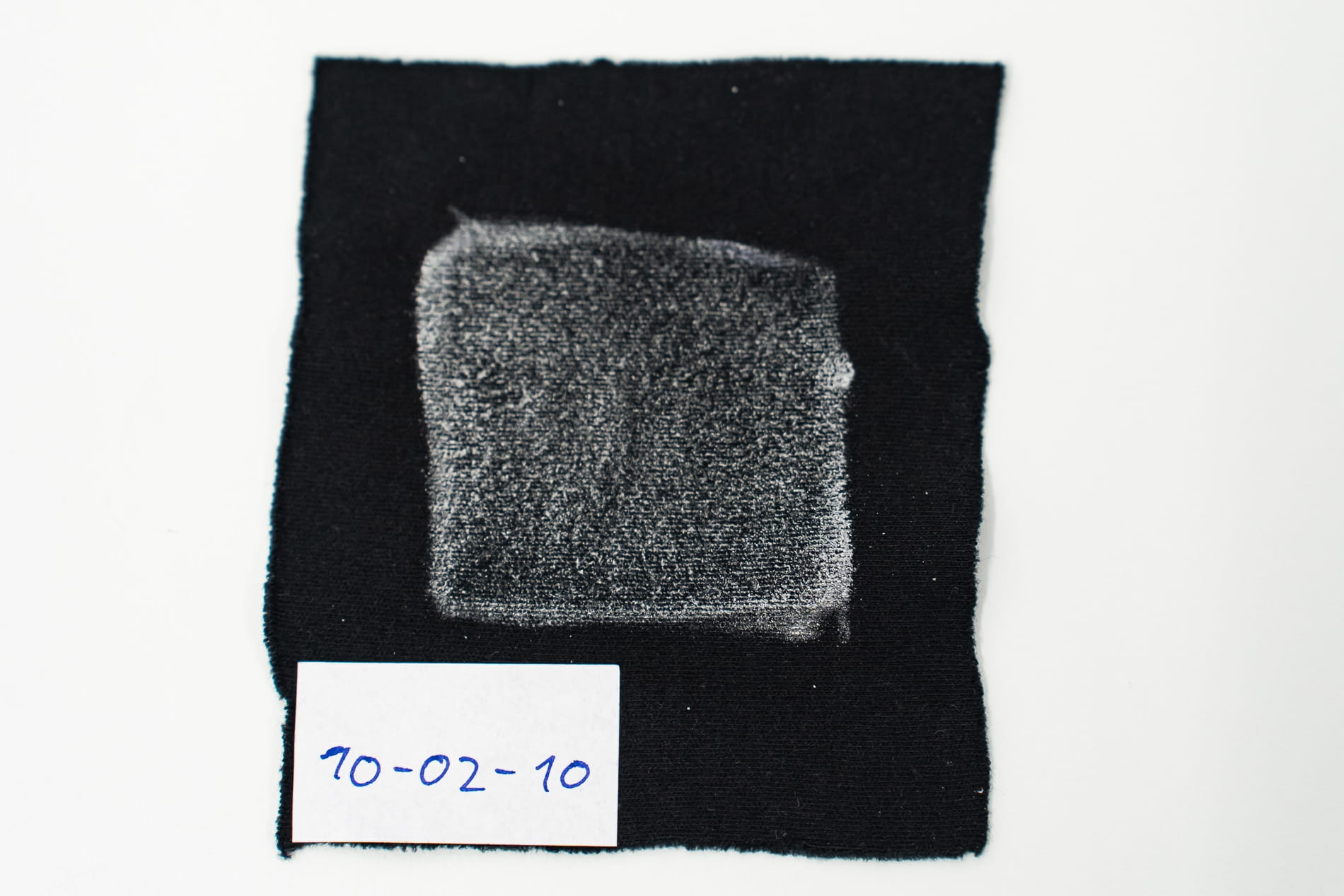
This can cause yellowish stains, especially on light-colored or white clothing, while dark fabrics often show white residues.

EXPERTS EXPLAIN

METHOD: TEXTILE DYEING

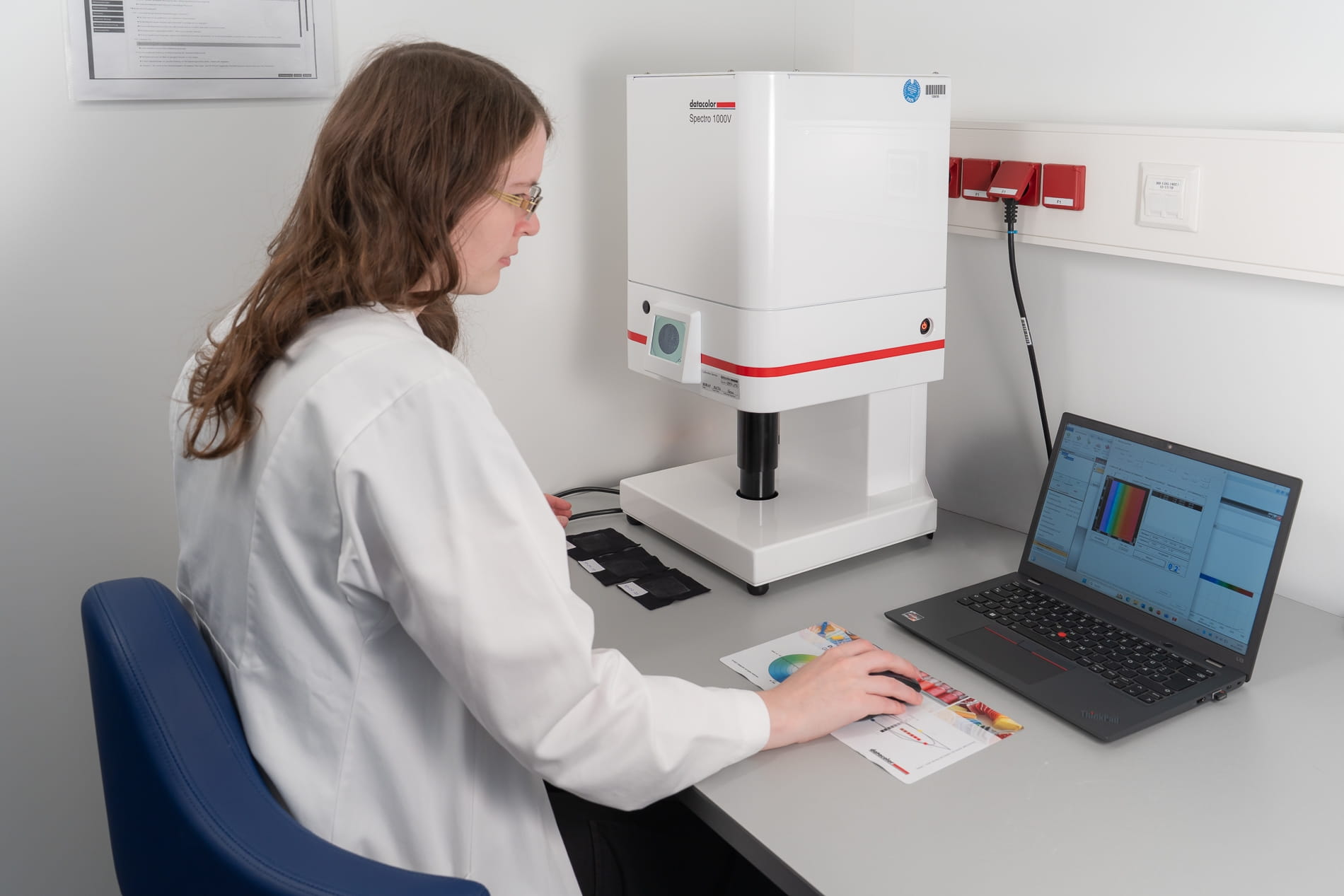
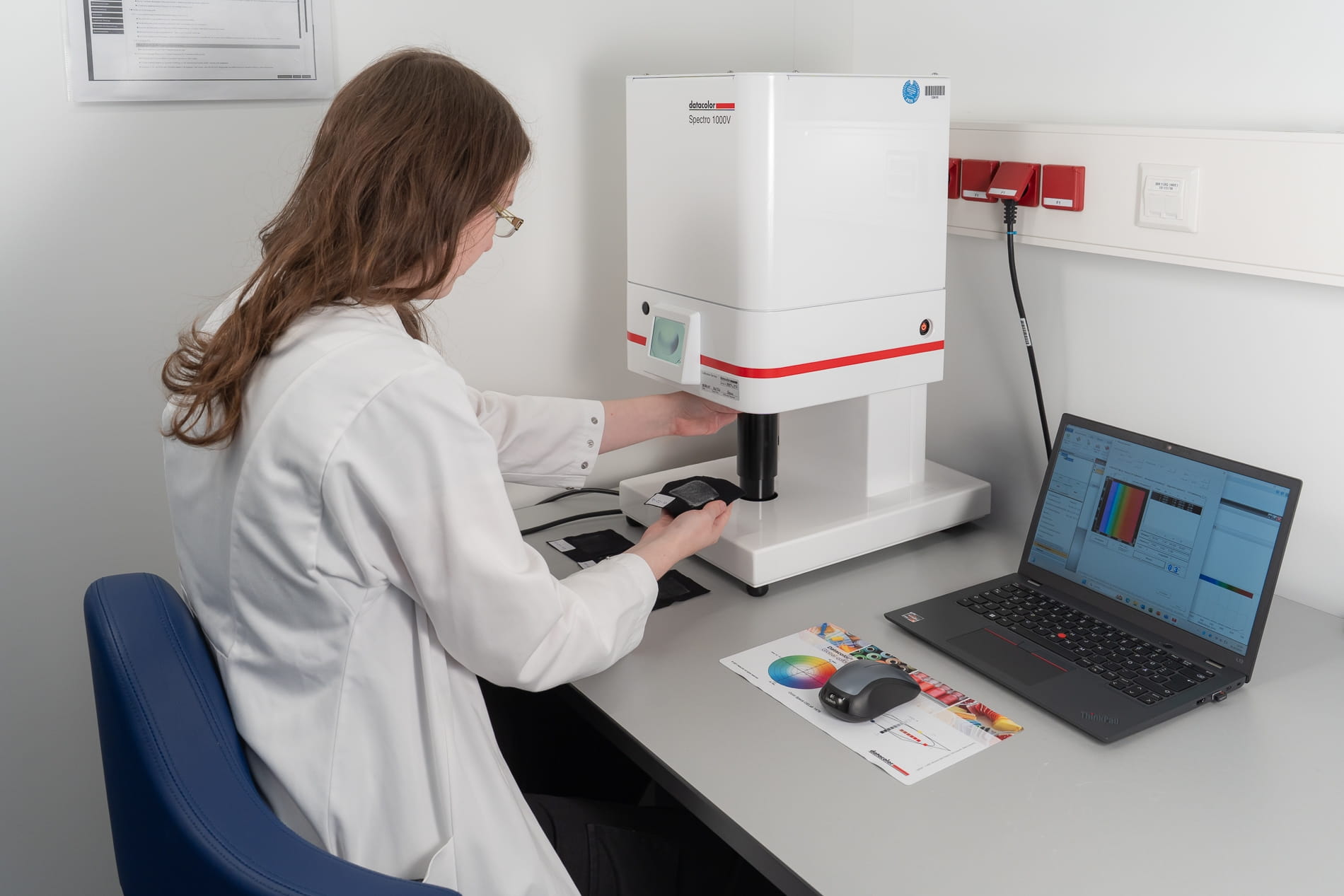
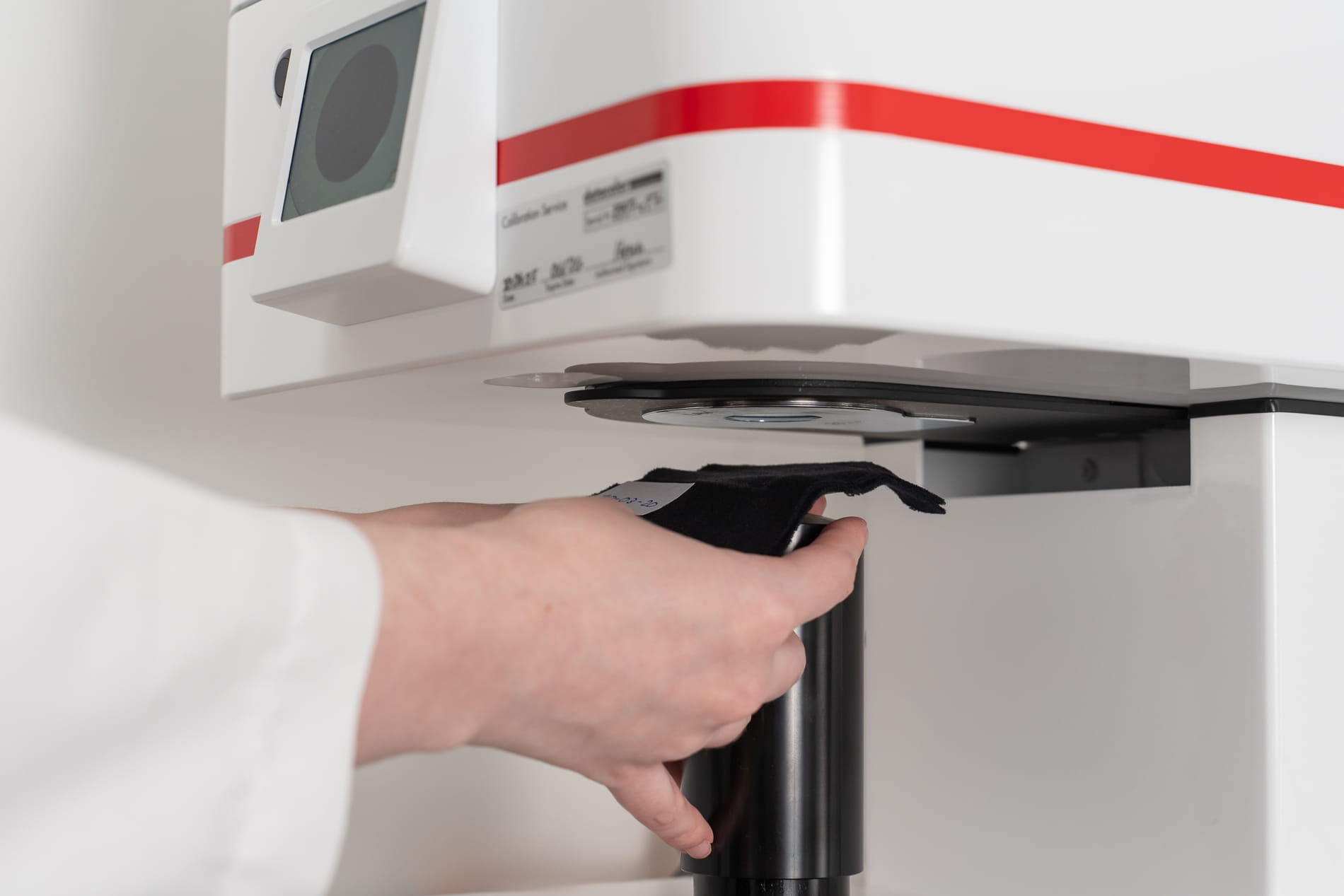
This involves an objective assessment of discoloration (stains) on white textiles through light reflection. Two different test designs are used for this purpose:

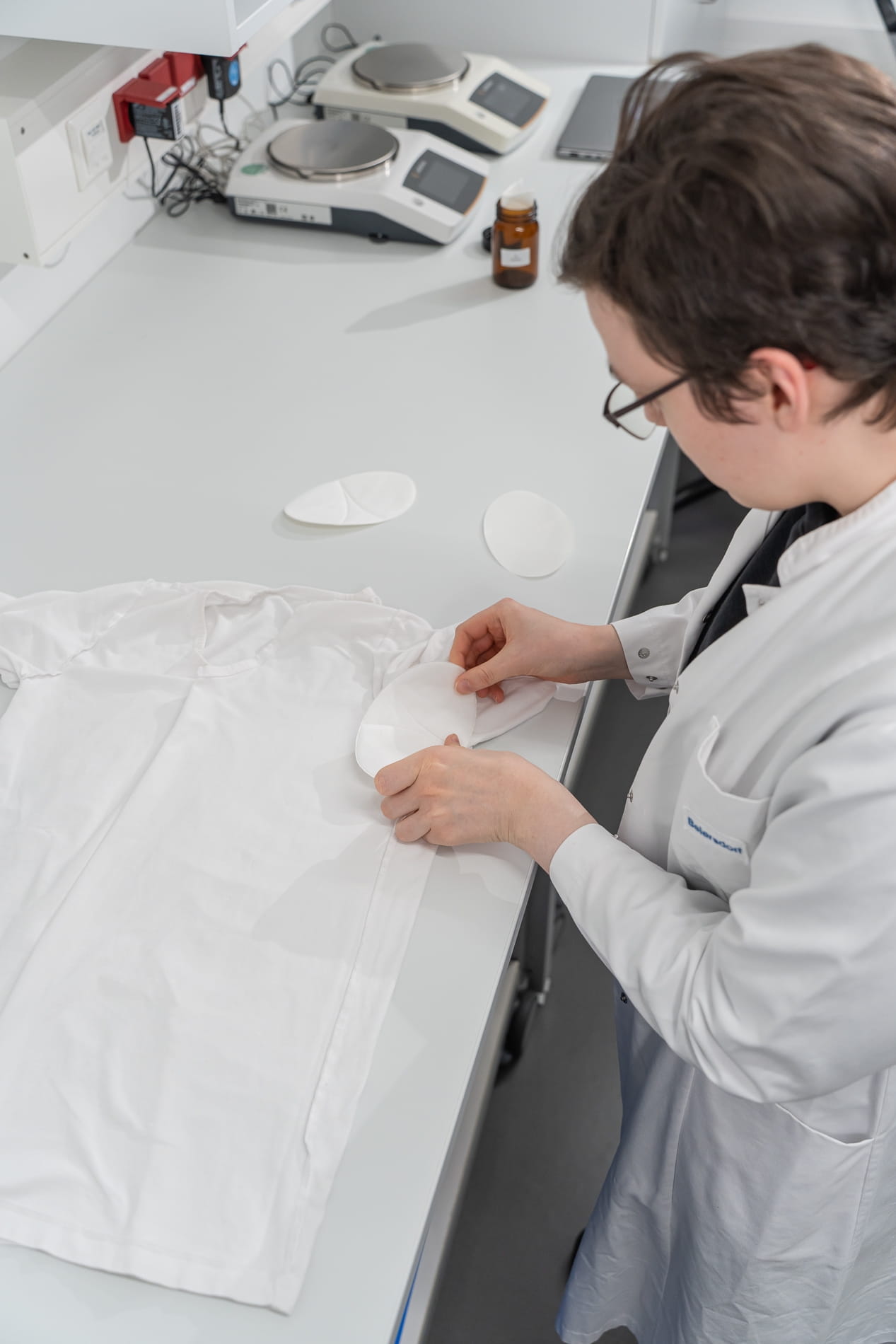
In vitro test, in which the product is applied directly to the textile in a standardized manner together with “artificial sweat.” The textile is then washed in a standardized manner and the process is repeated several times.

In vivo test, in which the product is used under real application conditions, including several weeks of wear and wash cycles.

To determine color stains, a color measurement is performed using a spectrophotometer.

METHOD: SNIFF TEST FOR UNDERARM ODOR

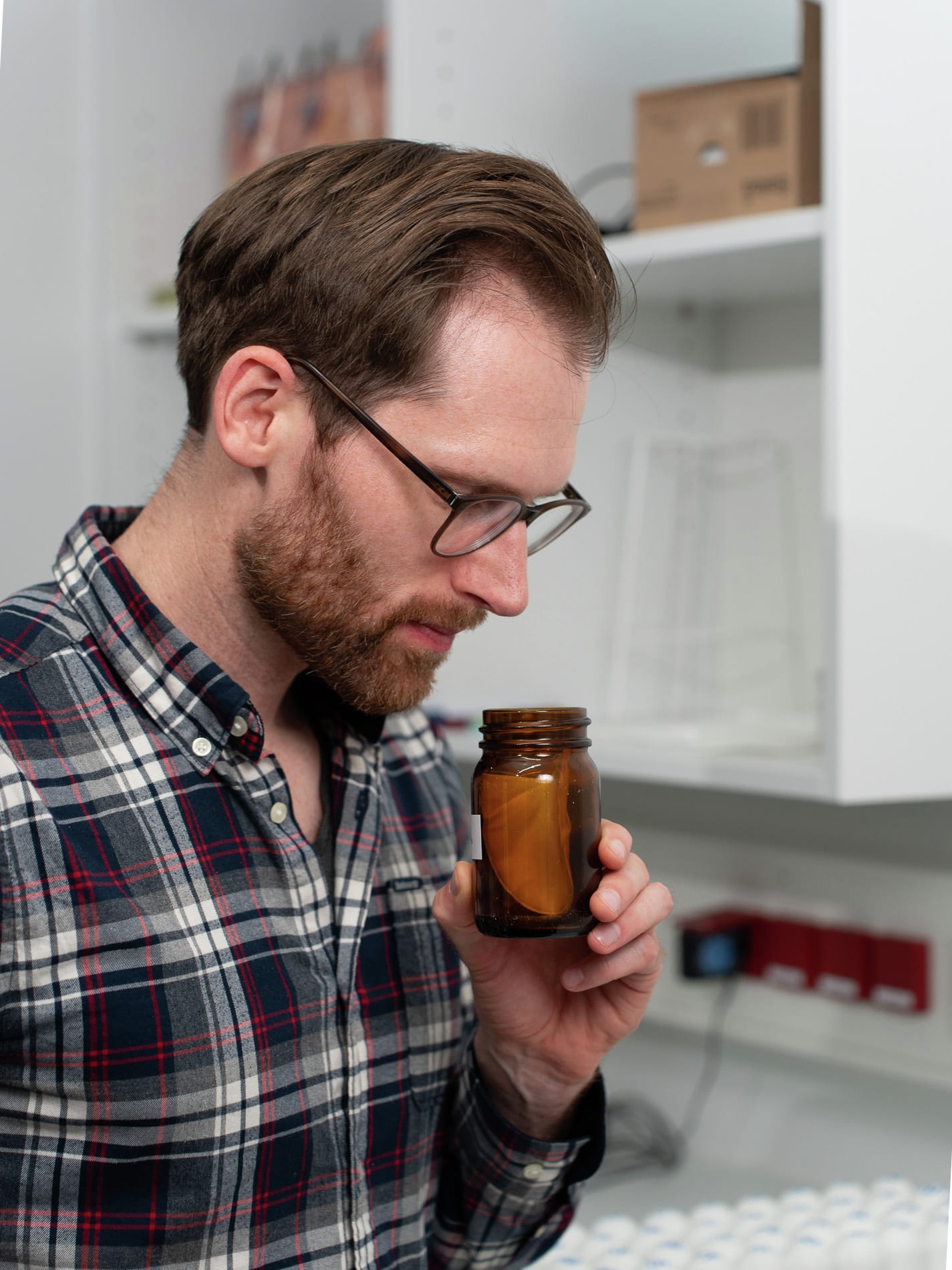
Underarm odor is determined by experts — known as sniffers — who objectively assess its intensity using a rating scale.

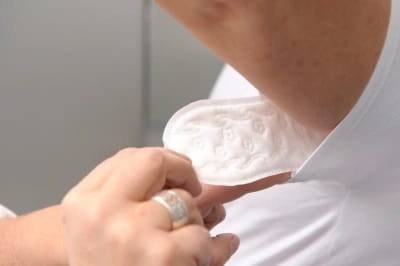
Special absorbent pads are placed in the armpits to absorb sweat and odor. The assessment is then carried out before and after the application of a test product, with one armpit remaining untreated as a reference or being treated with an ineffective control product (placebo).

METHOD: “HOT ROOM” TEST FOR SWEAT MEASUREMENT

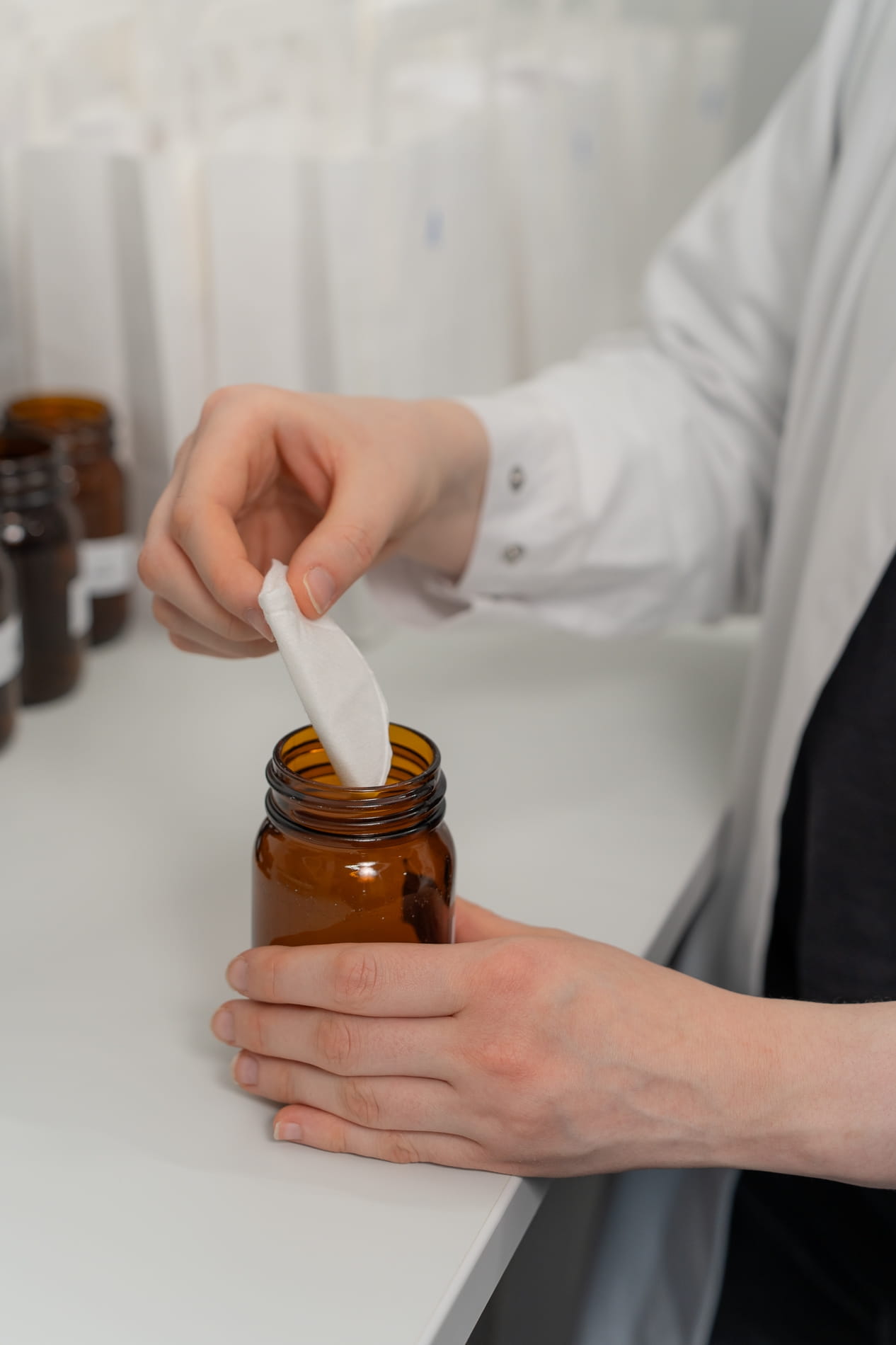
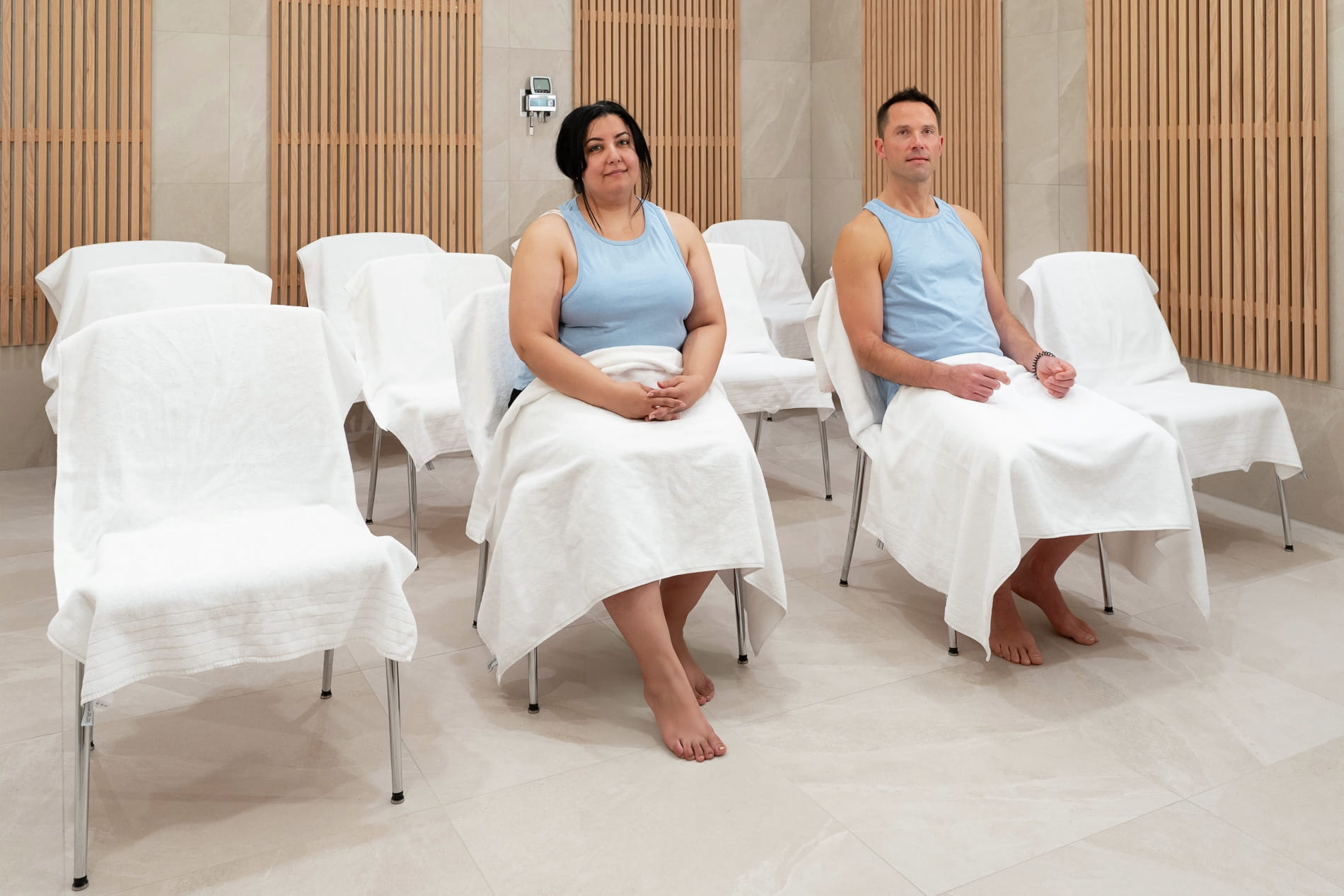
To objectively measure the amount of sweat in the armpits, we use the weight measurement method (gravimetry). For this purpose, pads made of absorbent material are placed in the armpits to collect the sweat. These are first weighed in a dry state and then weighed again after sweating in a temperature-controlled chamber (“hot room” or “sauna”). The weight gain then corresponds exactly to the amount of sweat produced. Here, too, we compare the product-treated armpit with an untreated or placebo-treated armpit.

Hot Room

Hot Room

Hot Room

Sauna

Sauna

Sauna

Based on these studies, we develop and confirm claims — i.e. advertising statements —
for our products with the help of our study participants.